

Countertop Trends in 2026: The Future of Stone, Texture, and Design
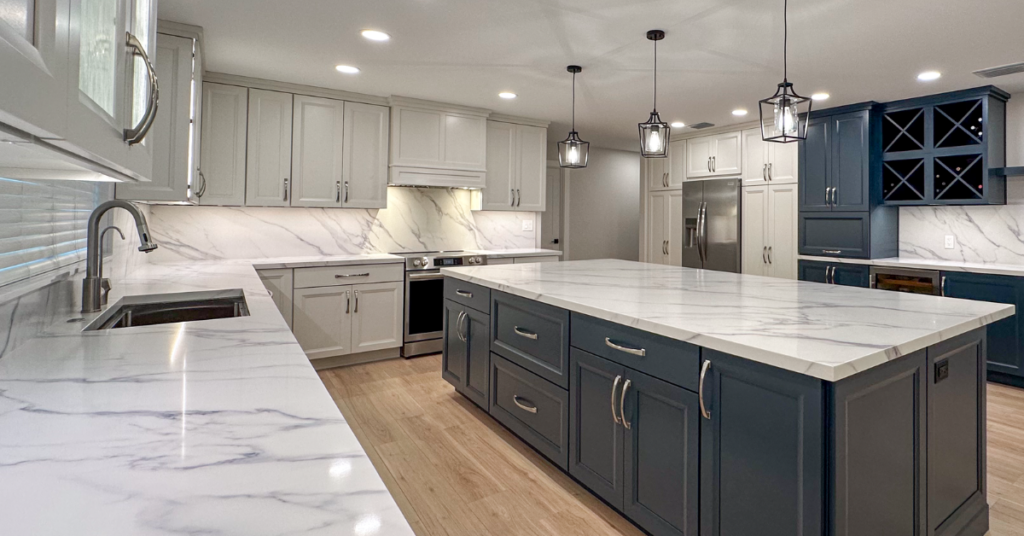
As interiors continue to evolve, countertops are no longer treated as background surfaces. In 2026, they take on a more architectural role—bridging design, function, and long-term value. Homeowners, designers, and builders are moving away from purely decorative choices and toward surfaces that feel intentional, tactile, and integrated into the overall structure of the home.
This shift is not about excess or ornamentation. Instead, it reflects a deeper appreciation for materials that age well, work hard, and visually connect spaces. Countertop trends in 2026 emphasize natural movement, thoughtful scale, subtle texture, and continuity between horizontal and vertical planes.
From stone that reads almost sculptural to finishes that invite touch, the coming year brings a more grounded, design-driven approach to kitchens, bathrooms, and living spaces.
A Move Toward Architectural Stone
In 2026, countertops are increasingly designed as architectural components rather than standalone elements. Islands extend into waterfalls, backsplashes rise to the ceiling, and stone wraps around corners without interruption. This approach allows countertops to shape a space rather than simply occupy it.
Large-format slabs continue to dominate, reducing visual breaks and allowing the natural pattern of stone or quartz to speak for itself. The emphasis is on scale and proportion—choosing slabs that feel balanced within the room rather than visually busy.
This trend pairs naturally with open-concept homes, where continuity between kitchen, dining, and living areas is essential. A single stone surface can now guide the eye across multiple zones, creating cohesion without relying on matching finishes everywhere.
Veining That Feels Natural, Not Overstated
While dramatic veining remains popular, the direction for 2026 is more refined. Instead of high-contrast patterns used everywhere, designers are selecting stones with movement that feels organic and layered.
Quartz and quartzite styles with softer transitions—where veins fade, widen, or break naturally—are replacing overly sharp, repetitive patterns. The goal is visual depth without distraction.
Bookmatching remains in demand, but it is used more selectively. Rather than placing bookmatched stone everywhere, it appears in intentional moments such as a feature backsplash, a fireplace surround, or the face of an island. This restrained application keeps the design timeless while still offering visual impact.
Texture as a Defining Element
One of the most influential countertop trends of 2026 is texture. Smooth, high-gloss finishes are no longer the default choice for every project. Instead, homeowners are gravitating toward surfaces that feel tactile and grounded.
Honed finishes continue to gain momentum, especially in kitchens and bathrooms where glare reduction is appreciated. Leathered finishes are also seeing increased interest, particularly on granite and quartzite, where texture enhances the natural character of the stone.
Fluted edges and reeded stone panels extend this focus on texture even further. Rather than relying solely on color or veining, these details introduce rhythm and shadow, adding dimension without adding visual noise.
Texture in 2026 is subtle, intentional, and closely tied to how a space is experienced, not just how it looks.
Integrated Design Over Decorative Add-Ons
In previous years, countertops were often paired with decorative backsplashes, trim details, or contrasting surfaces. In 2026, the trend leans toward integration.
Full-height stone backsplashes continue to replace tile in many kitchens. Instead of acting as a separate design layer, the backsplash becomes an extension of the countertop, reinforcing continuity and simplifying the visual field.
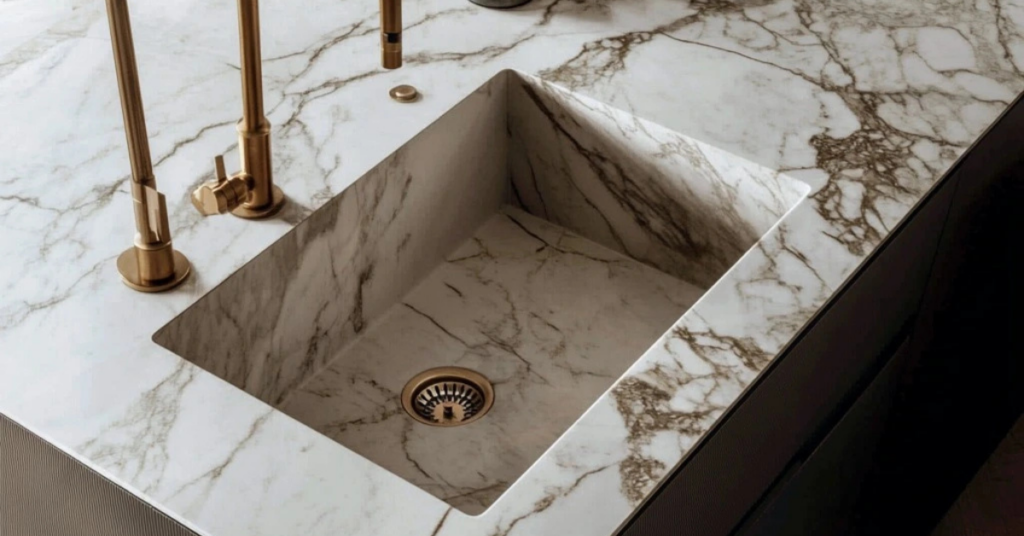
Integrated stone sinks follow the same philosophy. Especially in bathrooms and secondary kitchens, carved or seamlessly joined sinks eliminate breaks between materials. The result is a cleaner look that aligns with the broader preference for simplicity and cohesion.
Even kitchen hoods are now wrapped in stone to visually anchor the cooking area while maintaining material consistency throughout the space.
Neutral Color Palettes with Depth
White countertops remain popular in 2026, but the definition of “white” has expanded. Cooler, flat whites are giving way to warmer tones with subtle variation—ivory, soft beige, pale greige, and off-white shades with gentle movement.
Gray remains relevant, though it appears softer and more layered than in previous years. Charcoal, mushroom, and stone-inspired neutrals replace stark cool grays, creating a calmer backdrop for cabinetry and flooring.
Darker countertops are also finding their place, particularly in islands, bars, and secondary surfaces. Deep stone tones paired with lighter surroundings help define zones without closing off the space.
The focus is on colors that complement natural light and age gracefully rather than chasing high-contrast trends.
Thicker Profiles and Visual Weight
Countertop thickness plays a significant role in 2026 design. While ultra-thin profiles had their moment, many designers are now returning to thicker looks that provide visual grounding.
Three-centimeter stone remains the standard for natural materials, but mitered edges are increasingly used to create the appearance of even greater thickness. These profiles help islands feel substantial and anchored, particularly in larger kitchens and open floor plans.
The thickness trend extends beyond countertops to waterfalls, shelving, and stone-clad furniture pieces, reinforcing the idea that stone should feel structural rather than decorative.
Stone Beyond the Kitchen
Another defining trend of 2026 is the expanded use of stone throughout the home. Countertops are no longer limited to kitchens and bathrooms.
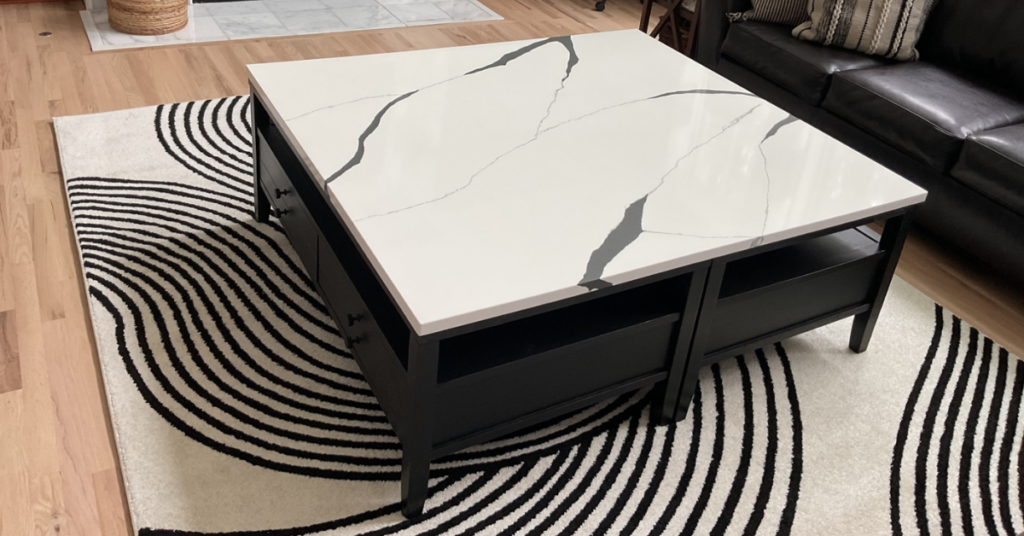
Laundry rooms, home offices, wet bars, and entertainment spaces are increasingly finished with the same care and material selection as primary living areas. Stone desks, work surfaces, and bar tops elevate these spaces while offering durability that stands up to daily use.
Fireplace surrounds and accent walls continue to incorporate slab stone, blurring the line between surface and structure. These applications reinforce the idea that countertops are part of a broader material story, not isolated design choices.
A Preference for Thoughtful Customization
Customization in 2026 is less about novelty and more about intention. Homeowners are choosing details that align with how they live rather than chasing dramatic statements.
This includes selecting edge profiles that suit the space, choosing finishes based on lighting conditions, and planning layouts that support daily routines. Overhangs are carefully measured to accommodate seating comfortably. Sink placement is planned to optimize workflow rather than aesthetics alone.
Design decisions are increasingly informed by long-term use, with an emphasis on surfaces that remain practical and visually relevant for years to come.
Sustainability and Longevity in Material Choices
While sustainability is not always the primary motivation behind countertop selection, it continues to influence design decisions in 2026.
Durable materials that require fewer replacements are preferred over short-lived trends. Natural stone and high-quality quartz are valued for their longevity, resistance to wear, and ability to be refinished or repurposed.
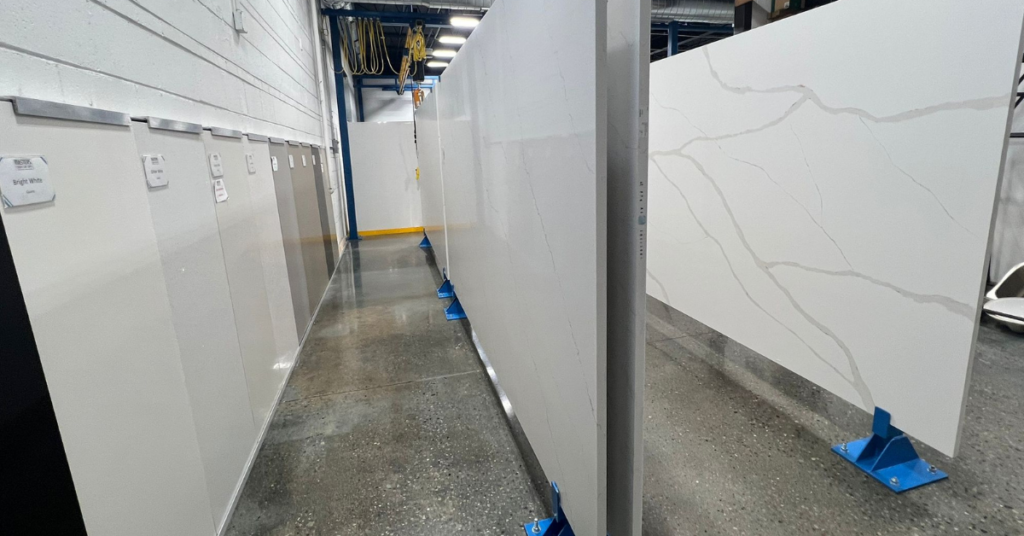
Efficient fabrication methods, reduced waste, and responsible sourcing also play a role in how materials are evaluated. Homeowners are increasingly aware that choosing well-made surfaces contributes to both environmental responsibility and long-term value.
Countertops as a Unifying Element in Open Spaces
In open-concept homes, countertops are often visible from multiple angles. In 2026, this visibility drives design choices that emphasize flow and continuity.
Rather than matching every surface exactly, designers use countertops as a unifying element—allowing them to bridge cabinetry, flooring, and adjacent living areas. The stone becomes a visual thread that ties the entire space together.
This approach supports layered interiors where different materials coexist without feeling disconnected.
Looking Ahead
Countertop trends in 2026 reflect a broader movement toward thoughtful design. Stone and quartz are no longer chosen simply for their appearance, but for how they interact with space, light, texture, and daily life.
The emphasis on architectural integration, natural movement, tactile finishes, and restrained color palettes points toward interiors that feel grounded and intentional. Rather than following short-lived trends, homeowners are investing in surfaces that support both function and long-term design relevance.
As materials and fabrication continue to advance, countertops will remain central to how modern interiors are shaped—quietly defining the spaces where people gather, work, and live.
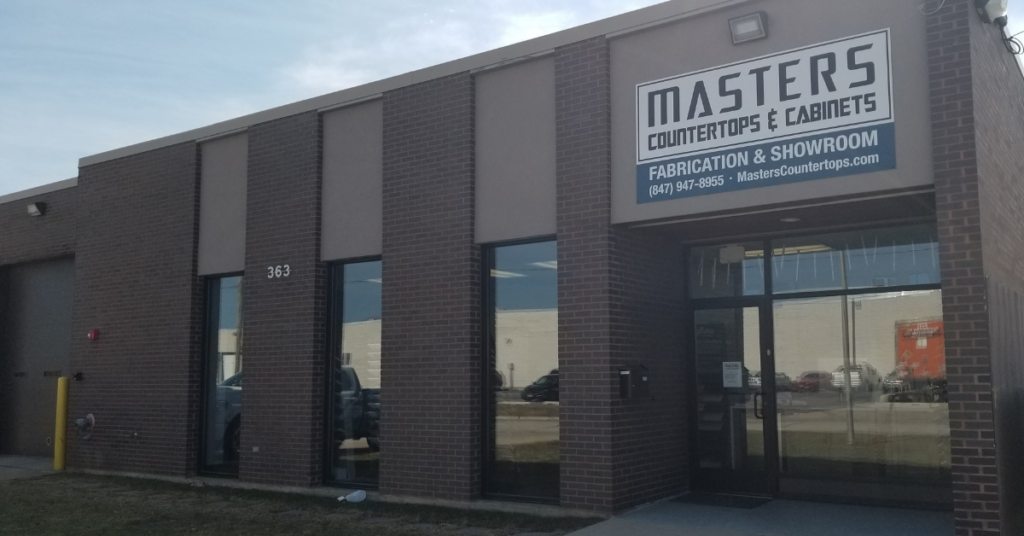
At Masters Countertops, these 2026 countertop trends are more than inspiration—they’re options you can explore firsthand. Visit our showroom to view a wide selection of stone and quartz surfaces, see real projects, and work with a team that helps translate design ideas into beautifully finished spaces. Whether you’re planning a full renovation or refining details, we’re here to help bring your vision together.
Like what you see? Follow us for more design inspiration, expert tips, and the latest trends in natural stone and quartz countertops. Don’t forget to share!